Prep Now, Profit Later!
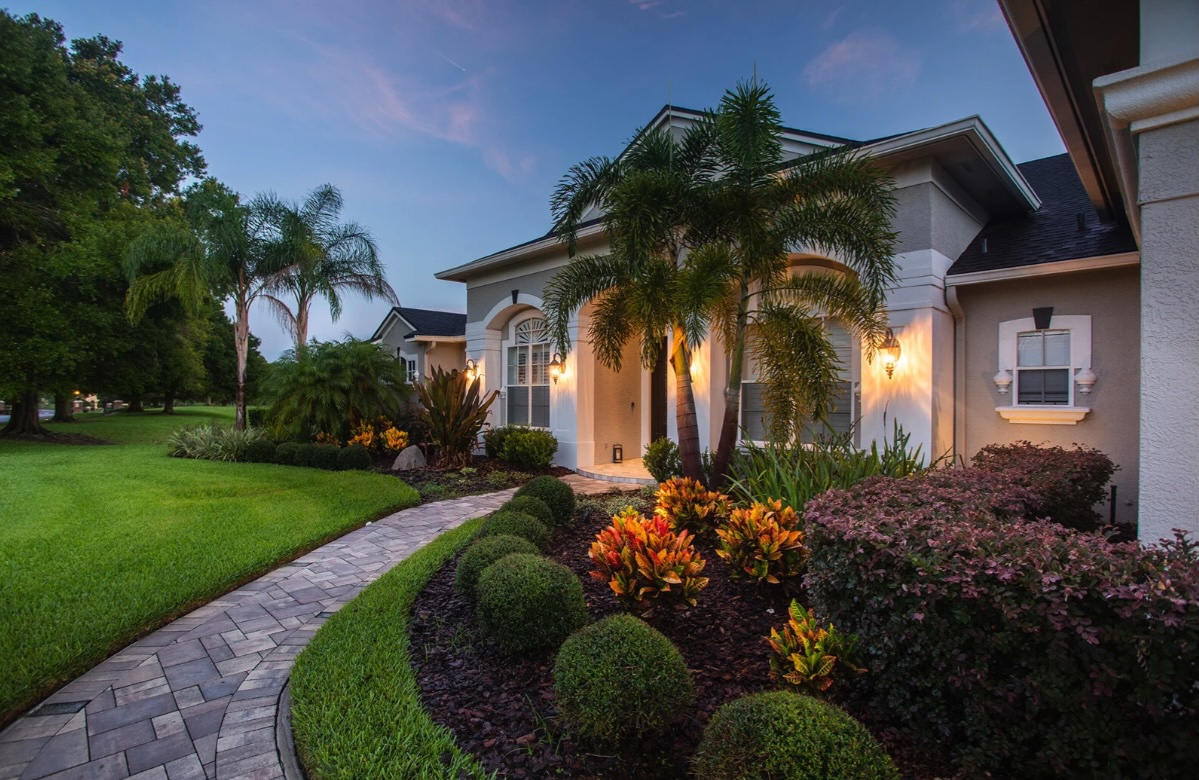
Prep Now, Profit Later: Preparing Your Florida Home for the Fall & Post-Hurricane Market
While summer in Florida is synonymous with afternoon thunderstorms, peak heat, and keeping a watchful eye on the tropics, savvy homeowners know it is also the ultimate window for preparation. If you are considering putting your house on the market this year, the adage "prep now, profit later" has never been more relevant.
By taking proactive steps during the summer and early fall, you position your property to capitalize on one of Florida’s most historically lucrative selling windows: the fall and post-hurricane season.
Why Fall is Florida’s Prime Selling Window
In many northern states, the real estate market cools down alongside autumn temperatures. Florida, however, operates on a different rhythm.
-
The Seasonal Influx: As temperatures drop up north, fall marks the beginning of Florida’s peak relocation and "snowbird" season. Buyers looking for secondary homes, retirement properties, or tax-advantaged relocations begin touring properties in earnest.
-
Post-Storm Peace of Mind: Listing after the peak of hurricane season gives prospective buyers confidence. A home that stands resilient and well-maintained after the stormy summer months offers immediate reassurance to out-of-state buyers who may be nervous about severe weather.
-
More Serious Buyers: Fall buyers typically have strict timelines—whether they want to close before the tax year ends or get settled before the winter holidays. This urgency often translates into cleaner offers and stronger negotiating leverage for sellers.
1. Conduct a "Post-Storm" Exterior Audit
Nothing kills a potential sale faster than deferred exterior maintenance, especially when buyers are hyper-focused on weather resilience and insurance costs. Use the late summer months to audit and solidify your home’s outer shell.
-
Inspect the Roof: Have a licensed roofer check for lifted shingles, cracked tiles, or minor leak risks. A clean, certified roof is your strongest selling point when buyers are calculating property insurance premiums.
-
Clear and Secure Gutters: Summer storms push leaves, palm fronds, and debris into drainage systems. Clear gutters and ensure downspouts direct water at least five feet away from the foundation to prevent pooling water.
-
Service Impact Protections: If you have accordion shutters, roll-downs, or impact glass, lubricate the tracks and clean the frames. Showcasing effortless, functional storm protection adds immediate tangible value.
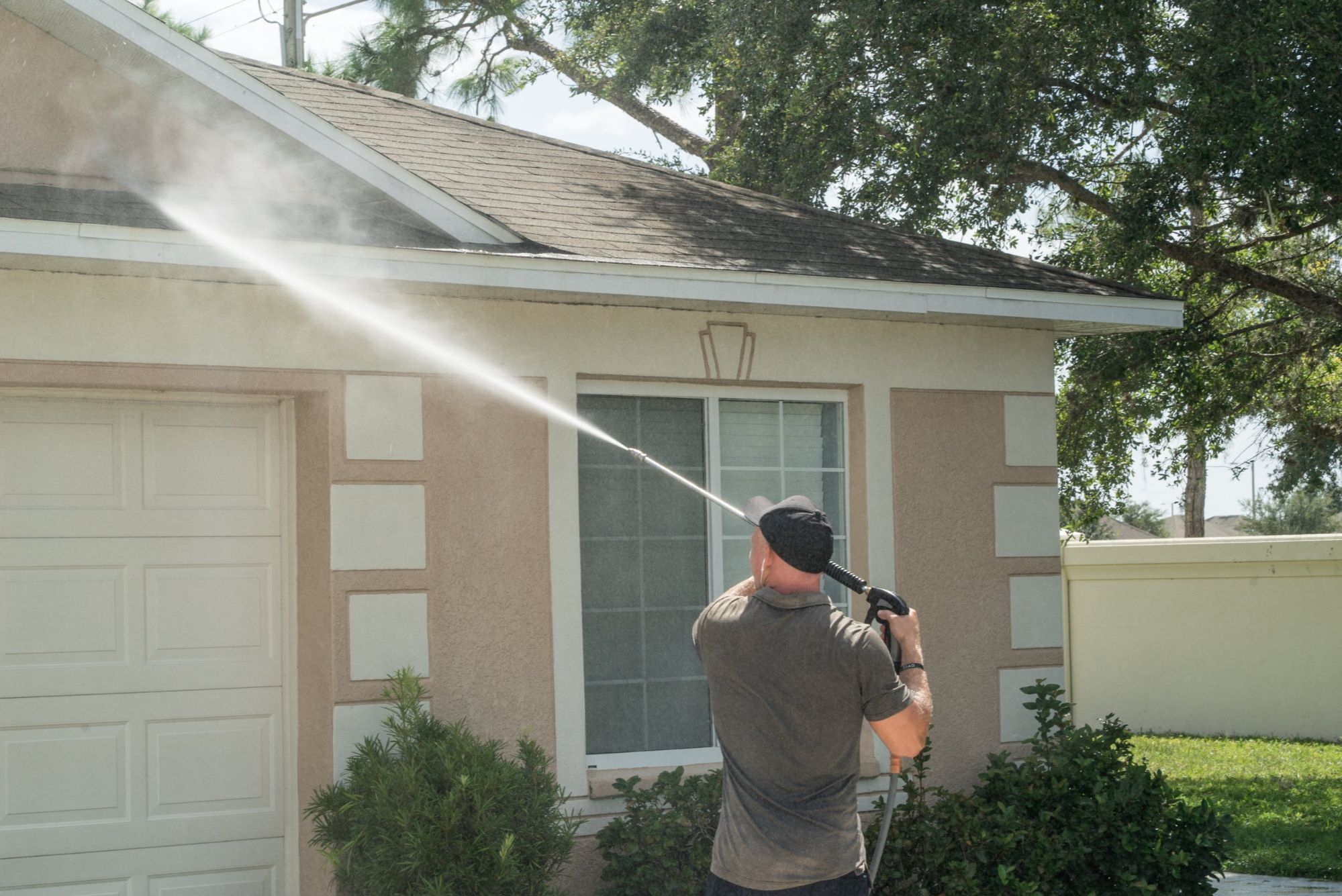
2. Elevate Florida-Specific Curb Appeal
Summer heat and heavy rainfall can leave landscaping looking overgrown and driveways looking weathered. A fresh exterior aesthetic signals to buyers that the home has been meticulously cared for.
-
Pressure Wash Everything: Strip away summer algae, mold, and dirt from driveways, sidewalks, pool decks, and exterior stucco.
-
Prune and Trim Landscaping: Cut back overhanging tree branches, trim palms, and pull spent summer annuals. Replace them with fresh, drought-tolerant Florida native plants like crotons, bromeliads, or bougainvillea for an inviting pop of autumn color.
-
Refresh the Entryway: Paint the front door a fresh, welcoming accent color, upgrade exterior lighting fixtures to bright LED bulbs, and replace worn welcome mats.
3. Optimize Indoor Comfort & Energy Efficiency
When buyers step into your home during a fall showing, the very first thing they will notice is the temperature and air quality.
-
Service the HVAC System: After working overtime all summer, your air conditioner needs a tune-up. Replace filters, clean the duct vents, and ensure the system runs quietly and efficiently.
-
Address Humidity and Scent: Florida humidity can sometimes leave enclosed spaces feeling musty. Use dehumidifiers if necessary, and aim for a clean, neutral scent during showings—think fresh linen or subtle citrus rather than heavy artificial air fresheners.
-
Showcase Energy Efficiency: If you’ve upgraded to a smart thermostat, added attic insulation, or installed energy-efficient windows, highlight these features in your marketing materials to appeal to cost-conscious buyers.
4. Stage for the "Florida Lifestyle"
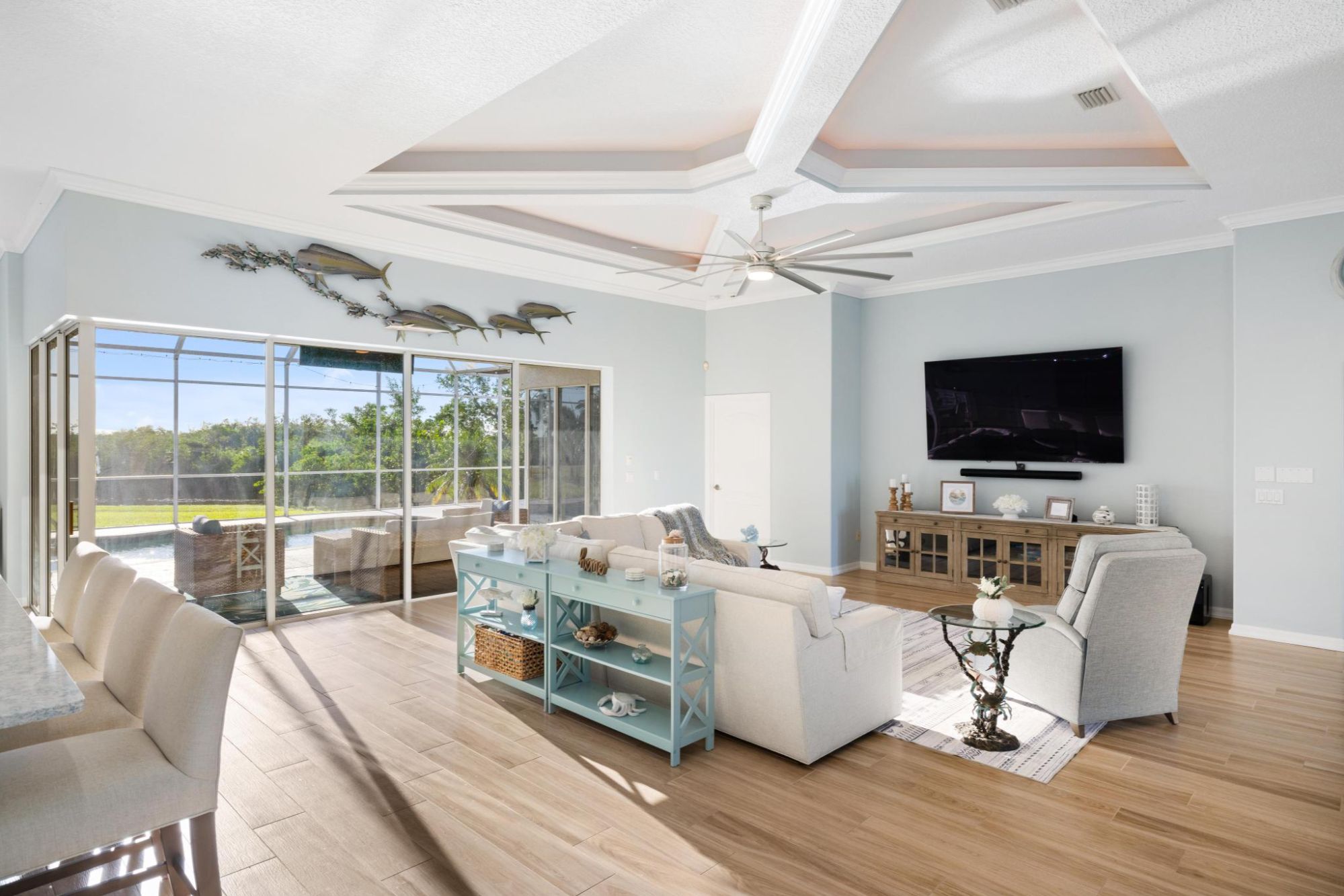
Buyers moving to or within Florida aren't just buying a structure; they are buying a lifestyle. Stage your home to highlight seamless indoor-outdoor living.
-
Define Outdoor Living Spaces: Whether you have a sprawling lanai, a screened pool deck, or a cozy condo balcony, stage it like a second living room. Clean outdoor furniture, add fresh cushions, and stage an outdoor dining setup.
-
Let the Natural Light In: Open all plantation shutters, blinds, and curtains. Trim back any exterior foliage blocking window light to make rooms feel expansive and bright.
-
Declutter and Depersonalize: Pack away out-of-season items, personal family photos, and countertop clutter to allow buyers to envision their own future in the space.
Frequently Asked Questions:
When is the best time to sell a house in Florida?
While spring is traditionally the peak real estate season nationally, fall and early winter are exceptionally strong in Florida. This period captures the influx of out-of-state relocations, retirees, and buyers seeking secondary homes before the winter holidays and tax year-end.
Do I need to disclose past hurricane or flood damage when selling in Florida?
Yes. Under Florida law, sellers must disclose any known material defects that affect the value of the property and are not readily observable to a buyer. If your home experienced storm damage that was professionally repaired and remediated, providing documentation of those repairs actually increases buyer confidence and trust.
How does the post-hurricane season impact buyer behavior?
Following hurricane season, buyers—particularly those relocating from out of state—pay heavy attention to a property's structural resilience. Homes featuring updated roofs, impact-rated windows or shutters, modern drainage systems, and clear insurance histories tend to sell faster and command higher prices.
Recent Posts